
Thông tin Mangrove Hotel Cần Giờ:
-
Địa chỉ: 146 Đường Thạnh Thới, Ấp Long Thạnh, Cần Giờ, TP. Hồ Chí Minh.
-
Hotline: 028.7303.3363
-
Zalo: 0789 198 146
Thông tin The Mangrove Garden:
-
Địa chỉ: 146/22 Đường Thạnh Thới, Ấp Long Thạnh, Cần Giờ, TP. Hồ Chí Minh.
-
Hotline: 028.8883.3363
-
Zalo: 0789 198 146
-
Fanpage: https://www.facebook.com/profile.php?id=61551054417036
The importance of Mangrove Forest in the Natural Environment
1. A unique ecosystem between land and sea
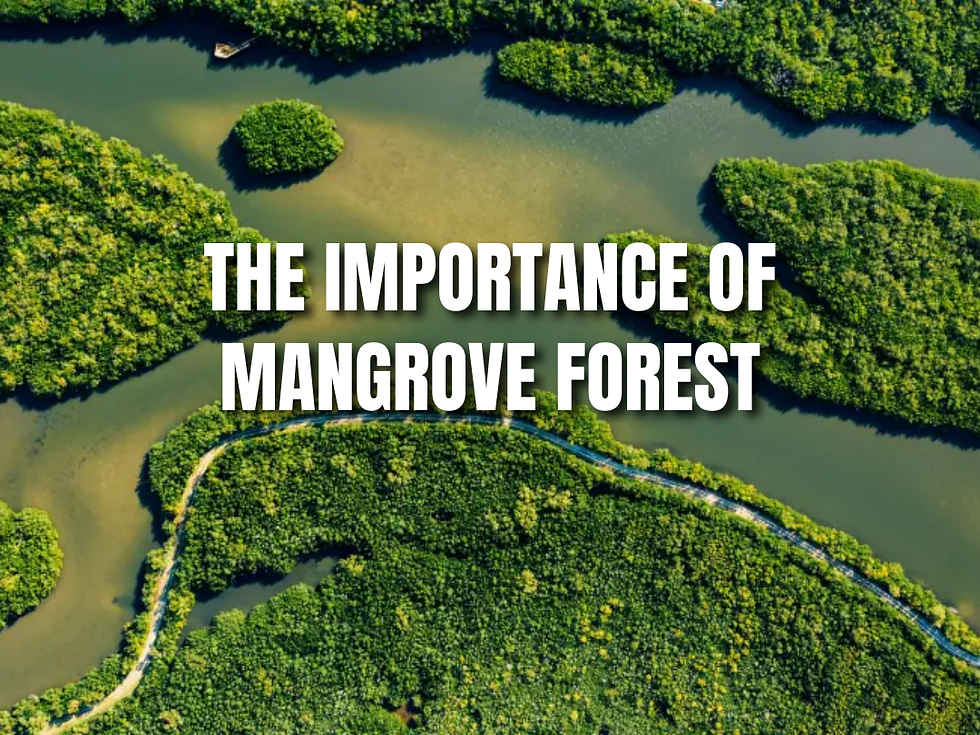
Mangrove forests exist in a fascinating place where land and sea meet, creating an environment unlike any other. As the tides rise and fall throughout the day, these forests continue to thrive in conditions that many plants would struggle to survive. Because of this remarkable adaptability, mangroves have become one of the most unique ecosystems on Earth.

Walking through a mangrove forest often feels like entering a living world full of movement and life. Twisted roots emerge from muddy soil, while birds, fish, and countless other species find shelter among the trees. Together, these natural elements create a vibrant environment that supports life both above and below the water.
2. Why mangrove forests matter more than ever
Today, coastal regions around the world face growing challenges from climate change, rising sea levels, and extreme weather events. As these environmental pressures continue to increase, natural ecosystems play an even more important role in protecting vulnerable areas. Mangrove forests stand at the frontline of this protection, quietly working every day to reduce environmental risks.

At the same time, many mangrove habitats are threatened by urban development and human activities. Large areas of forest have disappeared over the years, reducing the benefits they once provided to surrounding communities. Because of this, conservation efforts have become increasingly important for maintaining healthy coastal environments.
>>> Click to read more: Relaxing retreat in Can Gio - Where nature’s gentle rhythm restores your spirit
How mangrove forests protect coastal areas
1. A natural barrier against erosion and storms
One of the most valuable functions of mangrove forests is their ability to protect coastlines from erosion. Their complex root systems trap sediment and stabilize the soil, helping shorelines remain intact even during strong tidal movements. As a result, coastal landscapes become more resilient against natural wear and tear.

During storms and extreme weather events, mangrove forests serve as natural barriers that absorb wave energy. Instead of waves striking the coastline directly, the dense vegetation helps reduce their force before they reach inland areas. This protective function can significantly lessen damage to nearby communities and infrastructure.
2. Fighting climate change through carbon storage
Mangrove forests are among the most effective ecosystems for storing carbon. Through natural biological processes, they capture carbon dioxide from the atmosphere and store it within their roots, trunks, and surrounding soil. This ability makes them important allies in the global effort to reduce greenhouse gas concentrations.

Scientists often refer to mangroves as “blue carbon ecosystems” because of their exceptional carbon storage capacity. Unlike many terrestrial forests, mangrove soils can hold carbon for very long periods of time. Consequently, protecting these ecosystems contributes directly to climate change mitigation and environmental sustainability.
>>> Click to read more: Best places to visit in Can Gio - Explore untouched beauty and vibrant natural landscapes
The role of mangrove forests in supporting wildlife
1. A safe habitat for countless species
Mangrove forests provide shelter for an extraordinary variety of animals. Fish, crabs, shrimp, birds, reptiles, and mammals all depend on these ecosystems at different stages of their lives. Because food and protection are abundant, many species thrive within mangrove habitats.

For young marine organisms, mangrove forests act as natural nurseries where they can grow safely before moving into larger coastal waters. The dense roots create hiding places that protect them from predators while providing access to valuable food sources. As these animals mature, they contribute to the health and productivity of surrounding marine ecosystems.
2. Maintaining ecological balance
Every species within a mangrove forest plays a role in maintaining ecological balance. Birds help disperse seeds, aquatic animals recycle nutrients, and plants provide food and shelter for countless organisms. Together, these interactions create a stable and interconnected web of life.

When mangrove ecosystems remain healthy, they support biodiversity across a much larger region. Many nearby habitats, including coral reefs and seagrass beds, benefit from the protection and resources provided by mangrove forests. Therefore, preserving mangroves helps maintain environmental balance far beyond their immediate boundaries.
Why protecting mangrove forests matters for future generations
1. Environmental and economic benefits
The value of mangrove forests extends beyond environmental protection and biodiversity conservation. Many coastal communities rely on these ecosystems for fisheries, tourism opportunities, and sustainable livelihoods. Because mangroves support healthy fish populations, they contribute directly to local economies and food security.

In addition, eco-tourism activities centered around mangrove forests have become increasingly popular. Visitors are often drawn to their natural beauty, peaceful atmosphere, and diverse wildlife. These experiences not only generate income but also encourage greater appreciation for environmental conservation.
2. Preserving nature’s legacy
Protecting mangrove forests is ultimately an investment in the future. Every tree preserved today helps ensure that future generations can enjoy the same environmental benefits and natural beauty. At the same time, conservation efforts create opportunities for education, research, and community engagement.

Awareness plays a crucial role in long-term protection. When people understand the value of these ecosystems, they are more likely to support sustainable practices and conservation initiatives. Through collective action and responsible stewardship, mangrove forests can continue to flourish for generations to come.
>>> Click to read more: Enjoy the coastal cuisine of Can Gio - A journey into rustic flavors by the blue ocean
Conclusion
The importance of mangrove forest is reflected in every aspect of the natural world, from protecting coastlines and storing carbon to supporting wildlife and local communities. These remarkable ecosystems demonstrate how nature can provide powerful solutions to environmental challenges while creating spaces rich in life and beauty. As we look toward the future, preserving mangrove forests remains one of the most meaningful ways to protect both people and the planet.
The Importance of Mangrove Forest: Nature’s Green Shield for Coastal Ecosystems

Chi nhánh khách sạn Cần Giờ
Email:
Tel:
Zalo:
Add:
028 730 333 63 - 028 888 333 63
0789 198 146
146 Thạnh Thới, Ấp Long Thạnh, Xã Cần Giờ, TP. HCM
146/22 Thạnh Thới, Ấp Long Thạnh, Xã Cần Giờ, TP. HCM
Chi nhánh cà phê TP.HCM
Tel:
Zalo:
Add:
0387 629 297
0343 158 252
29A Cao Thắng, Phường Bàn Cờ, TP. HCM
© 2025 by Mangrove