
The importance of Mangrove Forest – Why Mangroves matter for Nature and Humanity?

Mangrove forests are among the most unique ecosystems on Earth, acting as a natural bridge between land and sea while offering countless ecological and social benefits. When discussing the importance of Mangrove Forest, we must consider not only their role in protecting coastlines but also their contribution to biodiversity and global climate regulation. These ecosystems provide critical habitats for marine life, store immense amounts of carbon, and help mitigate the devastating effects of climate change. For millions of coastal communities worldwide, mangroves are not just trees but a vital foundation for livelihood, culture, and long-term resilience.
The importance of Mangrove Forest in Environmental Protection
Mangrove forests serve as natural shields against environmental threats, reducing the impact of storms, tidal waves, and coastal erosion that frequently endanger vulnerable shorelines. Their intricate root systems stabilize the soil, prevent land loss, and act as buffers against natural disasters such as tsunamis and hurricanes. In addition, mangroves filter pollutants and heavy metals from the water, improving overall coastal water quality and supporting healthier marine environments. Without these forests, coastal regions would face far greater damage, both environmentally and economically, from the growing frequency of natural disasters.

Equally important, mangroves play a key role in climate adaptation strategies by reducing the risks associated with rising sea levels and extreme weather. Research has shown that areas protected by mangroves often suffer significantly less damage during storms compared to those without. Their dense canopies provide natural shade, lower local temperatures, and help counter urban heat effects. By safeguarding land and regulating ecosystems, mangroves demonstrate that the importance of mangrove forest lies at the heart of humanity’s fight against environmental crises.
>>> Click to read more: Between Roots and Waves: The Biodiversity of Mangrove Forest in Can Gio
1.1 Exceptional carbon storage capacity
Mangrove ecosystems are recognized as one of the most efficient natural carbon sinks, storing multiple times more carbon than terrestrial forests. Their roots trap organic matter in oxygen-poor soils, keeping carbon locked away for centuries or even millennia. By preventing billions of tons of CO2 from being released annually, mangroves function as a powerful tool in global climate mitigation efforts. This is why protecting mangrove forests is essential for reducing greenhouse gas emissions worldwide.
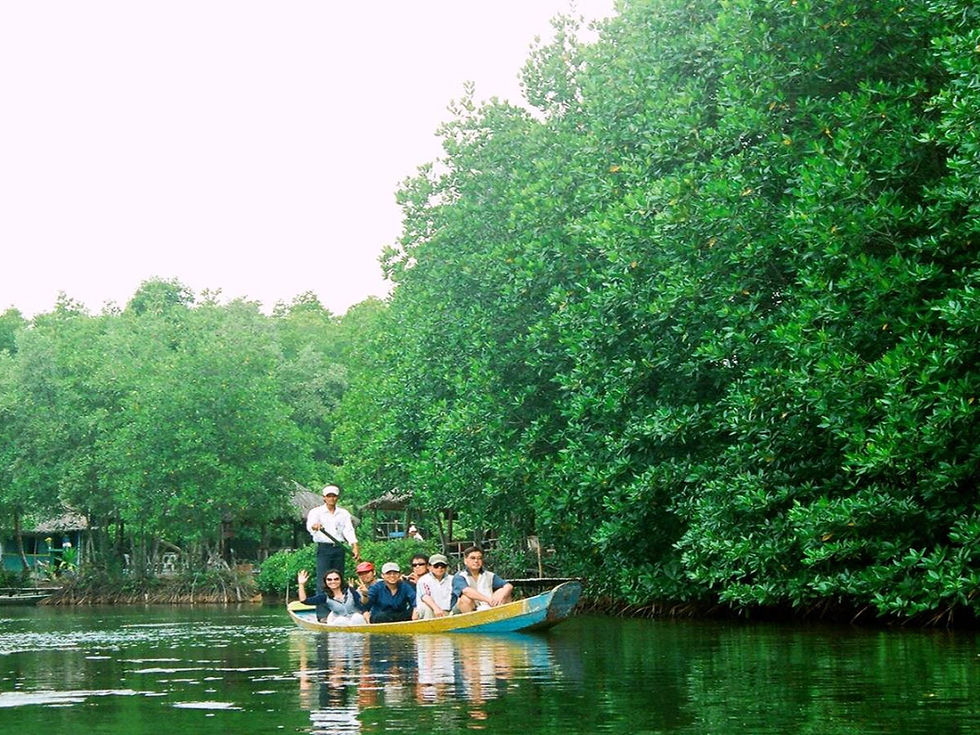
However, the destruction of mangroves releases massive amounts of previously stored carbon, worsening the effects of climate change. When mangroves are cleared for aquaculture, agriculture, or urban development, carbon that has accumulated over centuries is suddenly emitted into the atmosphere. This makes mangrove deforestation one of the most dangerous contributors to global warming, emphasizing the urgent need for preservation and restoration. The importance of mangrove forest in this regard cannot be overstated, as they are irreplaceable allies in addressing climate challenges.
1.2 Climate regulation and natural disaster mitigation
Beyond carbon sequestration, mangroves regulate local climates by moderating temperature, humidity, and rainfall patterns in coastal zones. Their presence significantly reduces wind speeds, storm surges, and the intensity of flooding events, protecting both ecosystems and human infrastructure. Communities living near healthy mangroves often report cooler microclimates and more consistent agricultural productivity. This illustrates how the forests contribute to environmental stability in ways that go far beyond their immediate boundaries.

Scientific studies confirm that regions with thriving mangroves experience fewer catastrophic losses during hurricanes, monsoons, or typhoons compared to areas where they have been destroyed. Additionally, their ability to retain groundwater and reduce salinity intrusion makes them critical for preventing desertification and drought. In this way, the importance of mangrove forest extends to ensuring food security, safe housing, and long-term sustainability for millions of people worldwide.
>>> Click to read more: Discover the wonders of Monkey Island Can Gio: a must-visit destination near Ho Chi Minh City
The importance of Mangrove Forest for biodiversity
Mangrove forests are biodiversity hotspots that provide crucial habitats for countless species of marine and terrestrial life. Their dense root networks form natural nurseries for fish, crabs, shrimp, and mollusks, offering shelter and breeding grounds that sustain global fisheries. Many commercially valuable species depend on mangroves for part of their life cycle, making them vital for both ecosystem health and economic livelihoods. By maintaining mangrove ecosystems, we ensure the continuity of marine food chains that benefit humans and wildlife alike.
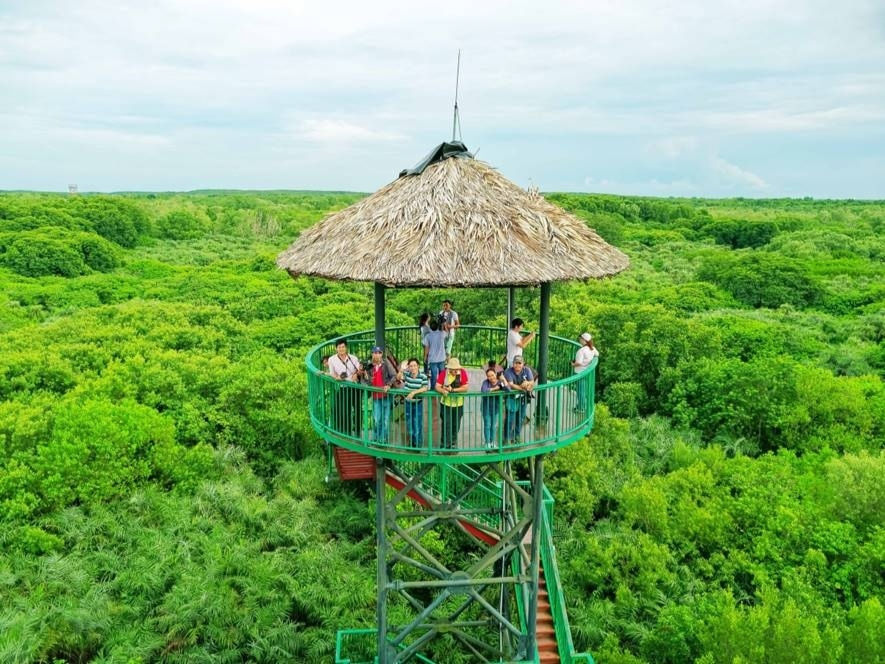
Beyond aquatic species, mangrove forests also host a wide array of birds, reptiles, mammals, and amphibians. Migratory birds rely on these wetlands as resting and feeding stations along their long journeys, while endangered animals such as saltwater crocodiles and fishing cats find refuge within mangrove habitats. The diversity found here underscores the fact that mangroves are not just local ecosystems but global treasures that support life across continents. Truly, the importance of mangrove forest is a cornerstone in preserving biodiversity on Earth.
The importance of Mangrove Forest in community life and economy
Mangroves are more than natural wonders; they are lifelines for millions of people living along tropical and subtropical coasts. Fishing communities rely on mangroves as sustainable sources of seafood, from crabs and clams to shrimps and fish, which provide both food security and income. By ensuring stable livelihoods, mangroves help reduce poverty and promote social resilience in vulnerable areas. In this sense, they serve as an invisible safety net, supporting the well-being of those who depend most on fragile ecosystems.

At the same time, mangrove ecosystems are increasingly recognized for their potential in eco-tourism, offering experiences that combine economic benefits with conservation awareness. Guided tours through mangrove forests allow visitors to appreciate nature, observe wildlife, and learn about traditional coastal lifestyles. This dual role of economic gain and environmental education makes mangrove tourism an ideal model for sustainable development. The importance of mangrove forest lies in its ability to balance human prosperity with ecological responsibility.
>>> Click to read more: Discover Can Gio: Top Ecotourism Activities near Ho Chi Minh City
3.1 Natural resources: medicinal plants and timber
Many mangrove species provide valuable medicinal compounds traditionally used to treat ailments ranging from skin diseases to digestive disorders. These natural remedies represent both cultural heritage and opportunities for modern pharmaceutical research. Furthermore, mangrove wood has long been utilized for fuel, construction materials, and handicrafts, contributing to local economies in various forms. When managed responsibly, these resources can support communities while preserving ecological balance.
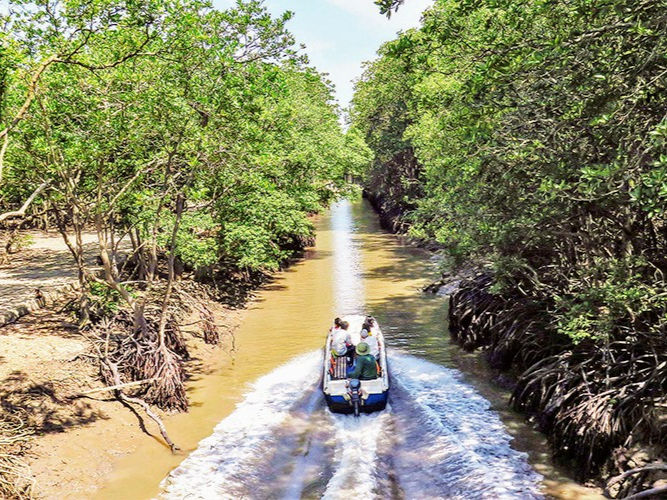
Nevertheless, unsustainable harvesting of wood or overexploitation of natural resources can devastate mangrove ecosystems. Degraded forests lose their protective capacity, biodiversity, and resilience against environmental changes. This highlights the necessity of adopting long-term conservation strategies to secure the benefits of mangroves for generations to come. Here again, the importance of mangrove forest becomes clear: sustainable use is the only path forward for both human needs and environmental protection.
3.2 Cultural and educational value of mangrove forests
Mangroves are deeply woven into the cultural fabric of many coastal societies, where traditions, festivals, and local identities revolve around their presence. For countless generations, communities have celebrated their connection with mangrove forests through art, folklore, and spiritual practices. Preserving mangroves, therefore, also means safeguarding cultural heritage and maintaining community pride. These intangible benefits demonstrate that mangroves are not only ecological assets but also symbols of identity and belonging.

In addition, mangrove forests serve as living classrooms and laboratories for environmental education and scientific research. Schools, universities, and conservation organizations frequently use mangroves as field sites to teach about ecology, climate change, and sustainable resource management. Such educational opportunities inspire the younger generation to value conservation and become advocates for protecting nature. Ultimately, the importance of mangrove forest resonates not only in physical survival but also in nurturing knowledge, awareness, and respect for the natural world.
>>> Click to read more: The development potential of Can Gio – From a pristine oasis to a modern urban area
Conclusion
From biodiversity protection to cultural heritage, the importance of Mangrove Forest reaches far beyond what we might initially imagine. These ecosystems act as carbon sinks, climate regulators, and biodiversity sanctuaries, while also providing food, medicine, and income for coastal communities. Their role as natural shields against disasters highlights their irreplaceable contribution to human safety and environmental stability. In short, mangroves embody the intricate connection between nature and human well-being.
In today’s era of climate change and rapid development, mangrove conservation must be placed at the forefront of global sustainability efforts. Protecting and restoring these ecosystems is not only a responsibility toward nature but also an investment in future generations. If humanity can recognize and preserve the importance of mangrove forest, these remarkable landscapes will continue to safeguard life, enrich culture, and sustain the planet for centuries to come.
Mangrove Hotel Can Gio
Address: 146 Thanh Thoi Street, Long Thanh Hamlet, Can Gio Commune, Ho Chi Minh City
Hotline: 028.7303.3363
Zalo: 0789 198 146
The Mangrove Garden
Address: 146/22 Thanh Thoi Street, Long Thanh Hamlet, Can Gio Commune, Ho Chi Minh City
Hotline: 028.8883.3363
Zalo: 0789 198 146


Bình luận